Crafting Exceptional Custom Produce Boxes: A Comprehensive Walkthrough
Creating custom produce boxes requires a strategic approach. Experts must consider environmental responsibility, practicality, and aesthetics. Selecting the right substances is essential for maintaining quality and promoting environmentally conscious methods. Additionally, dimensions and form can significantly affect ease of use and transport efficiency. Impactful visual elements enhance brand recognition, while thorough testing ensures durability. Comprehending these elements will uncover key understandings into developing exceptional container designs that resonate with consumers. What comes next is critical to achieving those goals.
Choosing the Right Materials for Custom Produce Boxes
When considering materials for custom produce boxes, it is crucial to examine both usefulness and sustainability. The choice of material significantly influences the box's durability, weight, and capacity to protect the contents. Common materials feature corrugated cardboard, which delivers strength and is environmentally recyclable, making it a popular choice for green-minded businesses. Compostable options, such as molded pulp or plant-based plastics, also support green practices while delivering appropriate protection for delicate produce.
In addition, liquid resistance is indispensable for maintaining freshness, motivating some creators to explore conditioned compounds or specialized coatings. The visual quality of the box should not be overlooked, as brand identity and visual communication can influence market perception. Ultimately, the right material should strike a balance between protecting the produce, drawing in buyers, and following ecological standards, ensuring both functionality and sustainability are prioritized in the design process.
How to Determine Size and Shape for Functionality?
When selecting the dimensions and form of custom produce boxes, careful assessment of produce measurements is crucial for effective storage. Additionally, considerations for handling and transport can affect the box design, ensuring ease of movement. Optimizing shelf space usage further enhances functionality, allowing for efficient display and storage.
Assess Produce Dimensions Carefully
Selecting the appropriate size and shape for produce boxes is crucial for functionality and efficiency. Accurate assessment of item measurements is vital, as it guarantees that items fit snugly without unnecessary room that could lead to damage during storage or transport. Custom boxes need to handle different forms, from delicate berries to large produce, while preserving physical strength. Additionally, the height and width of the boxes should facilitate proper arrangement and storage, optimizing space in warehouse facilities. A properly constructed container not only protects the produce but also enhances visual appeal for consumers. Ultimately, careful consideration of dimensions contributes to reducing waste and improving customer satisfaction in the distribution network.
Consider the Management of Handling and Transport
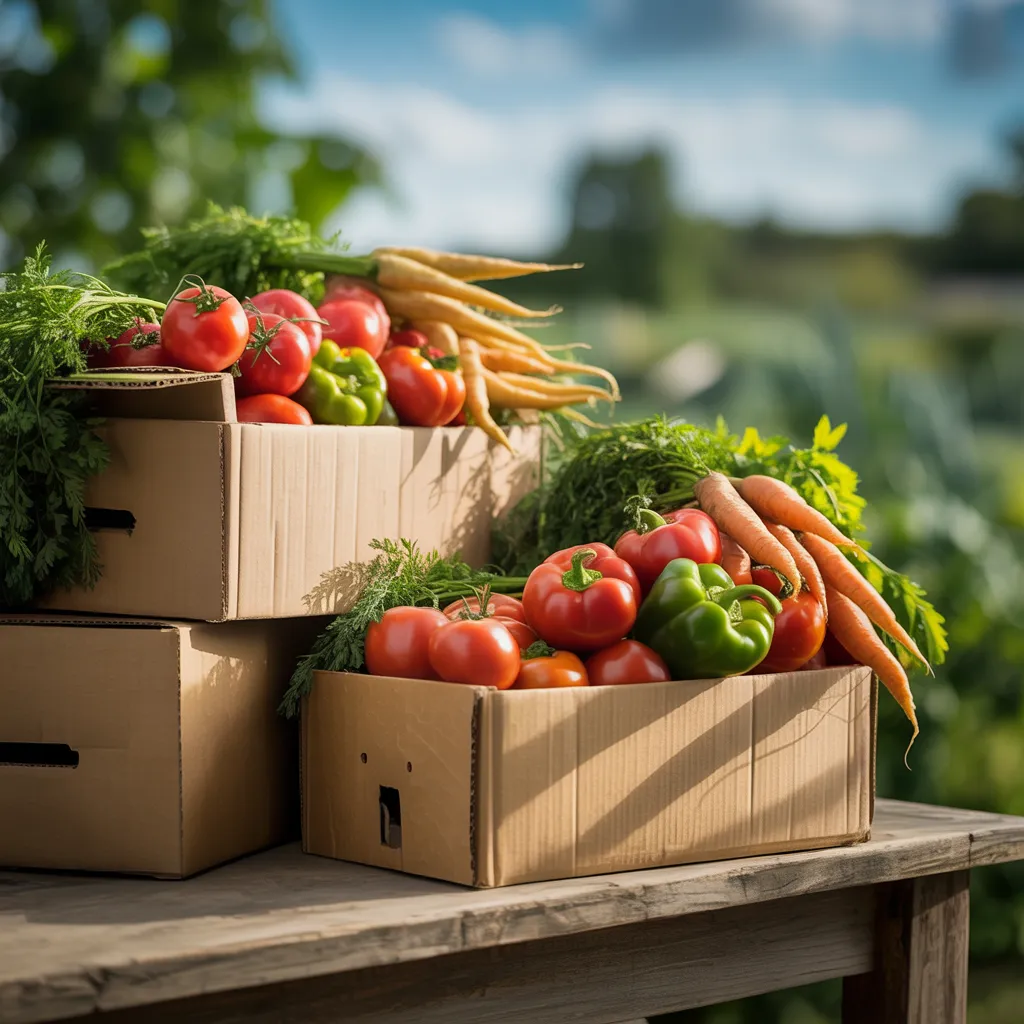
Shipping and handling considerations play a important role in determining the appropriate size and shape of specialized produce containers. The dimensions must hold the goods without excessive space, which could result in movement and injury during transit. Smaller, compact boxes facilitate easier management, while larger boxes may be necessary for larger items. Furthermore, proper design is vital; grips or access points should be strategically positioned to allow for comfortable raising and transporting. The structure of the container also impacts stacking and balance, ensuring that items stay secure. Ultimately, thorough evaluation of such factors boosts the efficiency of delivery, cuts down goods loss, and supports the general integrity of the produce from agricultural setting until consumer.
Optimize Storage Space Usage
Smart shelf space usage is based on establishing the proper size and shape of purpose-built produce boxes. Developers should factor in the dimensions of the storage shelves as well as the sorts of vegetation being positioned. Standard-shaped boxes often strengthen space optimization, allowing for easier stacking and alignment. Alternatively speaking, nonstandard shapes can heighten aesthetic quality but may lead towards wasted space if not meticulously planned.
It's crucial to evaluate the inventory turnover rate; quick-selling products might benefit from smaller, easily accessible boxes. Furthermore, implementing adjustable or modular designs can accommodate different dimensions of items while optimizing display arrangement. By prioritizing practical design combined with visual appeal, businesses can create a practical and visually appealing display that enhances both ease of access and item prominence.
How to Create Visuals That Capture Interest?
Engaging graphics can transform a simple custom produce box into a visual masterpiece that captures interest. To accomplish this, designers should start by selecting a color palette that showcases the freshness and vibrancy of the produce. Bright, striking colors can evoke sensations of freshness and health, compelling consumers to take a closer look.
Using strong typefaces is equally important; clear and legible fonts can effectively communicate key details while enhancing visual appeal. Additionally, incorporating high-quality images of the items can create an immediate connection, displaying the product's quality and attracting prospective customers.
Furthermore, adding original designs and artwork can assist in setting apart the brand in a crowded market. Consistency in design elements, such as logos and taglines, bolsters brand identity. Ultimately, a combination of creativity and clarity in visual design can greatly boost the significance of custom produce boxes, making them stand out on shelves.
Eco-Friendly Practices for Custom Produce Box Packaging Solutions
An rising quantity of businesses are implementing eco-friendly practices for custom produce box packaging, recognizing its significance in today's environmentally conscious market. These practices often encompass the use of decomposable materials, such as recycled paper and plant-based plastics, which minimize environmental impact. Companies are also focusing on sustainable sourcing, complete information guaranteeing that materials are obtained from responsibly managed forests or suppliers who emphasize environmental stewardship.
Additionally, many brands are selecting simple designs that decrease waste while still successfully displaying their products. This approach not only attracts environmentally aware consumers but also aids in cutting down production costs. Moreover, businesses are progressively adopting efficient manufacturing processes that restrict energy consumption and waste generation. By integrating these sustainable practices, companies not only enhance their brand image but also contribute positively to the planet, aligning their operations with a sustainable future.
Assess Your Bespoke Produce Box Design
Assessing the format of tailored packaging containers is a key component in ensuring they fulfill both visual and useful criteria. This approach typically requires examining factors including toughness, size, and functionality. First, trial models should be made to assess the box's mechanical strength, verifying it is able to resist movement and holding without compromising the goods.
Following this, user testing sessions can be carried out to evaluate how readily the boxes can be opened, closed, and layered. Comments from prospective users can be essential in this period, sharing knowledge of the box's practicality.
In addition, the design's aesthetic value should be validated through focus groups or surveys, gauging audience responses to branding elements, color selections, and full design presentation.
In the end, comprehensive testing allows designers to refine the box, guaranteeing it not only attracts customers but also effectively protects and displays the produce within, achieving the right equilibrium between form and function.
Advertising Your Custom Produce Boxes Successfully
Effective advertising of personalized produce boxes calls for a well-planned strategy that highlights their unique features and benefits. Businesses should focus on identifying their target audience, such as local farms, grocery stores, or individual consumers. Harnessing social media platforms can amplify market visibility, displaying the boxes' appearance and functionality through compelling visuals and storytelling.
Moreover, collaborating with community figures and agricultural experts can improve credibility and broaden reach. Providing promotions or discounts during peak seasons can draw initial customers and encourage ongoing purchases.
Moreover, stressing sustainability and eco-friendliness in advertising content can connect with environmentally conscious consumers. Supplying detailed information about the composition of materials and the positive aspects of custom packaging can help differentiate the product in a competitive market.
In the end, a detailed promotional strategy that integrates online and neighborhood-level efforts will successfully advance custom produce boxes, attracting a mixed clientele and boosting sales.
Frequently Requested Questions
What Are the Expenses Connected With Custom Produce Box Creation?
Costs regarding custom produce box design contain materials needed, printing, work hours, and freight. Also, design services and order thresholds can shape total costs, bringing about varying prices based on unique needs and production size.
What Length of time Is Required to Manufacture Tailored Boxes?
Production of custom boxes generally demands two to six weeks. Key factors affecting this schedule involve design intricacy, materials availability, and production capacity, all of which may affect shipping timelines and lead times.
May I Purchase a Small Shipment of Made-to-Order Produce Boxes?
Yes, small quantities of custom produce boxes can generally be ordered. Many suppliers provide minimum order quantities, enabling businesses or individuals to obtain tailored packaging solutions without having to pledge to substantial volumes initially.
What Common Mistakes Should You Steer Clear Of When Creating Custom Boxes?
Typical pitfalls in custom box development consist of overlooking functionality, ignoring brand consistency, underestimating material quality, not taking into account target audience preferences, and overlooking environmental impact. Each aspect is essential for successful packaging and customer satisfaction.
How Do I Confirm That My Boxes Are Food-Safe?
To ensure boxes remain safe for food consumption, you should select components approved for food contact, prevent dangerous inks and adhesives, preserve cleanliness during production, and consistently monitor for compliance with health regulations and safety standards.